

Kasey McKillip on What Responsible Outdoor Recreation Looks Like in Utah
Utah offers trails, deserts, mountains and public lands that attract residents and visitors throughout the year. Enjoying these places also comes with a responsibility to protect the landscapes and respect the people sharing them. Kasey McKillip highlights how preparation, trail etiquette and environmental awareness can help outdoor recreation remain safe, considerate and sustainable.
Responsible recreation does not require complicated practices. Small decisions, from checking conditions before leaving home to staying on designated trails, can reduce environmental damage and make shared outdoor areas more welcoming.
Know the Area Before the Trip
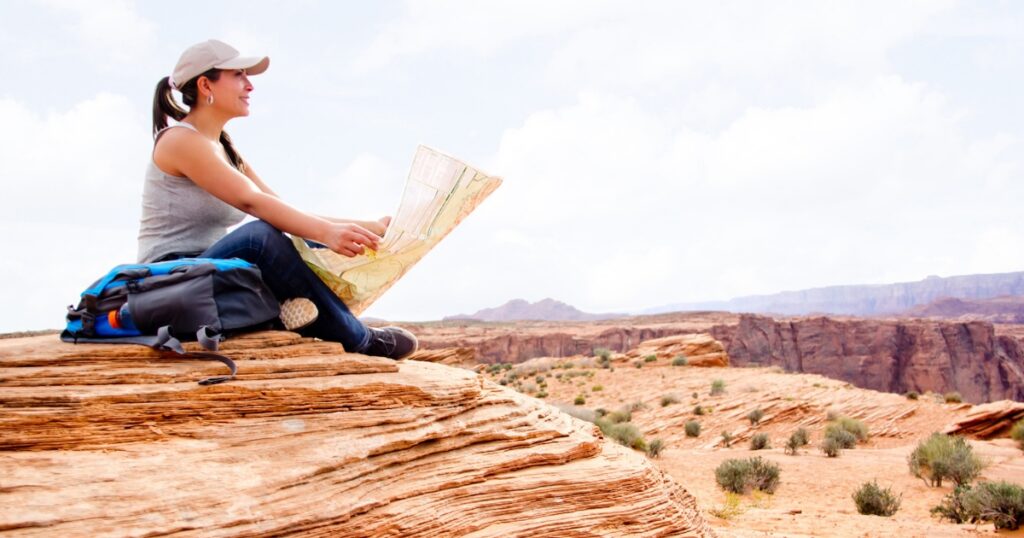
A trailhead can look straightforward on a map while the actual route involves heat, elevation, limited water or long stretches without cell service. Checking the area before leaving can prevent a simple outing from becoming harder than expected.
Plans should also reflect the difficulty and remoteness of the route. Cell service may be limited in parts of Utah, so telling someone where you are going and when you expect to return can be a useful safety step. Preparation also helps people avoid unnecessary risks that could affect other visitors or emergency responders.
Share the Trail Without Taking It Over
Shared trails may include hikers, runners, cyclists, equestrians and other users. A narrow trail can become frustrating quickly when one group blocks the route or passes without warning. Giving others room, announcing a pass and following posted rules can keep traffic moving without turning the trail into a contest for space.
Staying on established routes also protects the surrounding landscape. Cutting switchbacks or creating informal paths can damage vegetation and contribute to erosion. Using the designated trail helps concentrate foot traffic in areas designed to handle it.
Protect Sensitive Landscapes
Utah’s desert environments contain plants and biological soil crusts that can be easily damaged by off-trail travel. Some soil communities take many years to recover after being disturbed, making thoughtful route choices especially important in arid areas.
Visitors should leave natural objects where they find them, avoid disturbing wildlife and pack out trash. Food wrappers, pet waste and other small items can affect both the appearance and health of outdoor spaces.
Respect Fire Conditions and Local Rules
Dry conditions can create serious wildfire risks across Utah. Before camping or building a fire, recreationists should check current restrictions and follow rules established by the agency managing the land.
Campfires should only be used where permitted and should never be left unattended. Kasey McKillip emphasizes that fire restrictions, closures and posted rules are not separate from the outdoor experience. They are part of what keeps heavily used places open and usable.
Leave Room for Different Ways to Enjoy the Outdoors
Responsible recreation also includes awareness of noise, pets and group size. Keeping music at a reasonable level, managing dogs where required and allowing others room to pass can make busy outdoor areas more comfortable.
One person may be out for a hard workout while someone else is looking for a quiet walk with family. Keeping noise, pets and group behavior in check gives both kinds of visitors room to use the same place comfortably.
Responsible recreation often comes down to what people do when no one is watching: staying on the trail, packing out what they brought in and changing plans when conditions or restrictions call for it. Those small choices add up across heavily used outdoor areas.

Leave a Reply