
ARTICLE
Thoughts, experience, and perspective from Kasey McKillip.
Kasey McKillip on How Rescue Stories Change Views of Dog Adoption
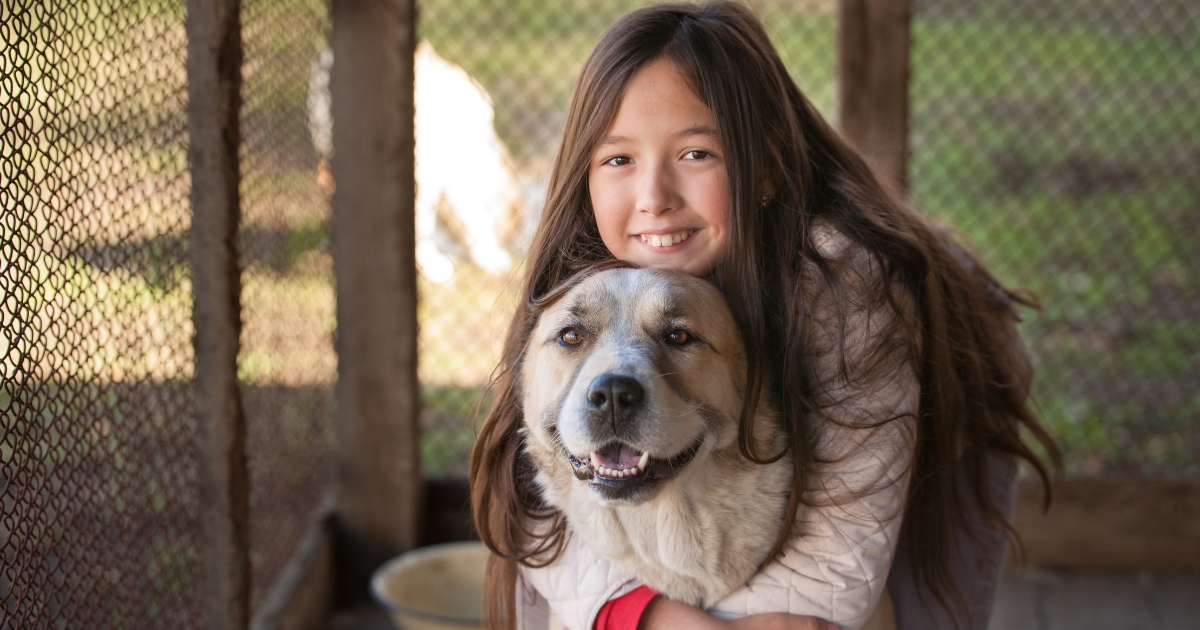
Rescue stories can help people understand what adoption looks like beyond a shelter photograph or short animal profile. Kasey McKillip, a dedicated supporter of dog rescue, adoption and animal conservation, highlights how stories about successful placements can challenge assumptions and help families see rescued dogs as individuals.
A dog’s history might include abandonment, medical treatment, neglect or a long shelter stay. A complete adoption story does not ignore those experiences. It shows how patient care, thoughtful placement and a stable home can support a new chapter.
Looking Beyond Shelter Labels
People may hesitate to adopt because they assume rescue dogs are unhealthy, poorly behaved or unable to adjust to family life. These broad beliefs can prevent suitable animals from receiving serious consideration.
Stories can replace general labels with useful details. Learning that a shy dog became comfortable through steady routines or that an older dog adapted well to a new household gives potential adopters a more realistic picture of the adjustment process.
Showing the Individual Dog
Shelter profiles often have limited space to describe an animal. Rescue stories can provide greater context by showing how a dog plays, rests, learns and interacts with people after adoption.
Photographs and videos may also reveal qualities that are difficult to observe in a kennel. A large dog that appears intimidating in a shelter image may be gentle at home. A quiet animal may become playful after receiving time to decompress.
Presenting Honest Adoption Experiences
The most useful stories do not suggest that every adoption becomes easy immediately. New dogs may need help with house training, leash manners, separation concerns or unfamiliar household sounds.
Sharing those challenges alongside progress makes adoption feel more approachable. Readers can see that setbacks are not always signs of failure. They may be part of an adjustment period that requires structure, patience and support from the rescue organization.
Helping People Recognize Possibility
Successful placements show that rescue dogs come from many circumstances and can fit different kinds of households. Some become companions for active families, while others are better suited to quiet homes. Senior dogs and animals with medical needs may also bring companionship to adopters prepared for their care.
Public stories can be especially helpful for dogs that are often overlooked because of age, size, breed labels or appearance. A clear account of the dog’s personality can shift attention from assumptions to compatibility.
Encouraging More Families to Consider Adoption
Stories are most persuasive when they explain what made the placement successful. Information about preparation, foster care, training and communication gives readers practical insight rather than presenting adoption as a matter of luck. Creative storytelling can also help shelters reach people who might not visit an adoption center. News coverage, community posts and short videos can introduce adoptable dogs to wider audiences by showing their personalities in memorable ways. Kasey McKillip notes that responsible rescue stories can create interest while keeping the animal’s needs and long-term placement at the center of the message.
A successful adoption story represents more than a happy ending. It can challenge misconceptions, prepare future adopters and show how rescued dogs respond when they receive suitable care. By sharing honest experiences, families and rescue organizations can help more people view adoption as a practical and rewarding option.

Leave a Reply