
ARTICLE
Thoughts, experience, and perspective from Kasey McKillip.
Kasey McKillip Highlights the Safety Checks Behind MRI Preparation
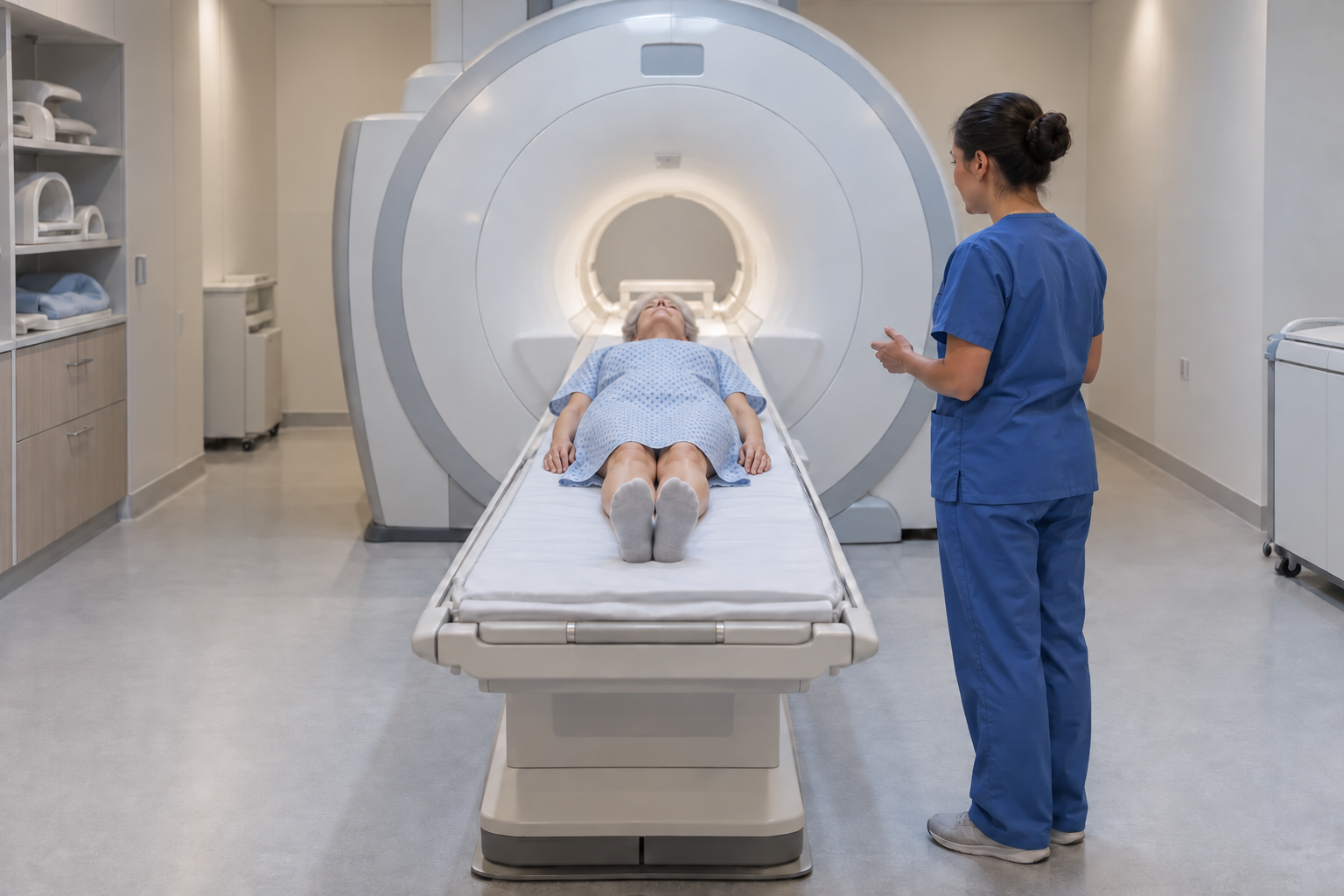
Before an MRI produces its first image, the team completes several preparation steps. Safety questions, clothing checks, hearing protection and positioning each address a different part of the examination. Understanding their purpose can help patients arrive prepared and raise concerns before entering the scanner room. Kasey McKillip approaches patient preparation as an opportunity for clear communication.
Instructions vary with the examination, facility and medical history, so an appointment letter or conversation with the imaging team takes priority over general guidance. Patients should ask about anything they do not understand before the appointment.
Safety Screening Comes Before Room Access
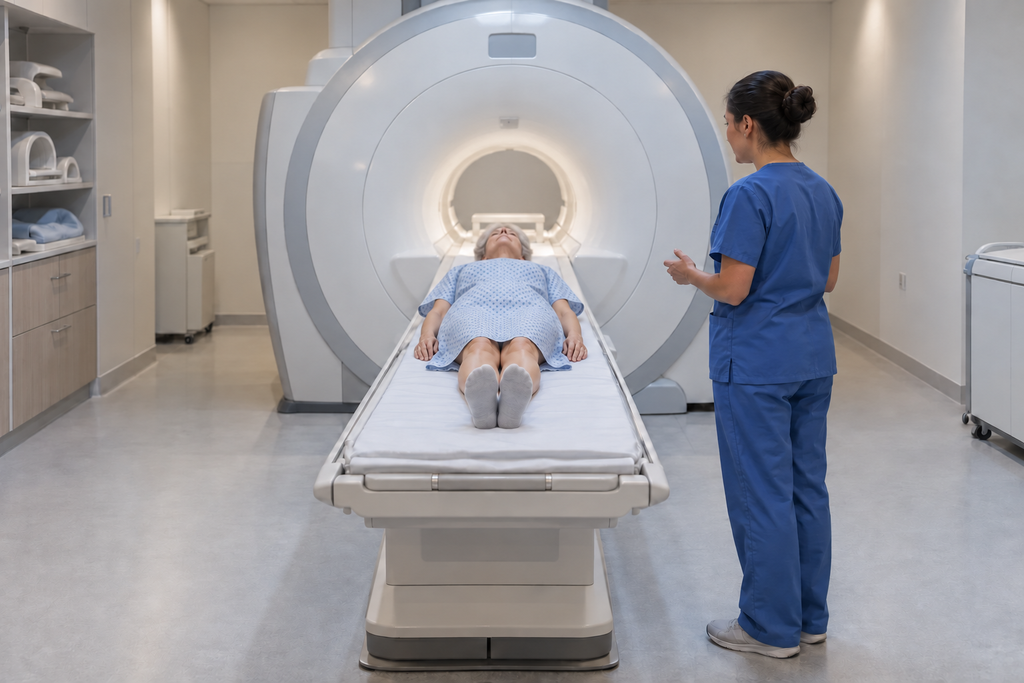
Screening usually begins with a questionnaire about previous operations, implanted devices and possible metal fragments. Staff may review those answers again before allowing access to the scanner room. Repeated questions provide another chance to identify something relevant, even if a patient has undergone MRI before.
An implant does not automatically rule out MRI. Some devices require specific scanning conditions, while others are unsafe. Bring an implant identification card if available and contact the facility beforehand if device details are uncertain. The team needs the exact model rather than a general description such as pacemaker.
Clothing Checks Extend Beyond Visible Metal
A change into facility clothing may be required even when everyday clothes have no obvious metal. Some fabrics contain metallic fibers or coatings that can heat during scanning. Staff can explain what to remove and where to store personal belongings.
Jewelry, watches, phones, keys and external hearing aids generally stay outside the scanner room. Tell staff about medication patches, glucose monitors, insulin pumps or other worn devices rather than removing or disconnecting them independently. The team can review the appropriate instructions for each item.
Hearing Protection Prepares Patients for Noise
MRI scanners produce loud knocking and tapping sounds. Hearing protection reduces exposure to that noise and is part of preparation rather than an optional comfort measure. Depending on the setup, staff may provide earplugs, headphones or both.
Before scanning, ask staff to check that the protection fits properly. Mention hearing difficulties or trouble tolerating earplugs during preparation. The technologist should also explain how instructions reach the patient and how to request assistance once the examination begins.
Positioning Matches the Exam and Patient
The technologist positions the body part being examined and may place a specialized imaging coil nearby. Pads or supports can improve comfort and help maintain position. Speak up about joint pain, pressure or anxiety before the table moves into the scanner.
Preparation may also include an IV if contrast is planned. Questions about previous contrast reactions, kidney problems or pregnancy help the team assess relevant precautions. Follow the facility’s directions about food, drinks, medications and arrival time rather than assuming every MRI appointment requires the same preparation.
Kasey McKillip notes that preparation starts before arrival. Contact the imaging facility about implants, accessibility needs or concerns early. Clear answers give staff time to plan and help patients understand what happens next.

Leave a Reply