
ARTICLE
Thoughts, experience, and perspective from Kasey McKillip.
Kasey McKillip Connects MRI Technology with More Comfortable Patient Care
Magnetic Resonance Imaging (MRI) has become an important part of modern diagnostic care because it helps physicians capture detailed images of the body without using radiation. For imaging professionals, the work involves more than operating advanced equipment. Kasey McKillip, a seasoned MRI technologist with over a decade of hands-on experience in medical imaging, recognizes the role of MRI technicians in helping patients feel informed, supported, and prepared during a scan that may feel unfamiliar or stressful.
Patient-centered imaging focuses on both image quality and the patient experience. A clear scan can guide diagnosis and treatment, but the process also depends on communication, comfort and careful attention to detail. MRI technicians often serve as the connection between complex imaging systems and the people who rely on them for answers.
Understanding the Purpose of MRI Imaging
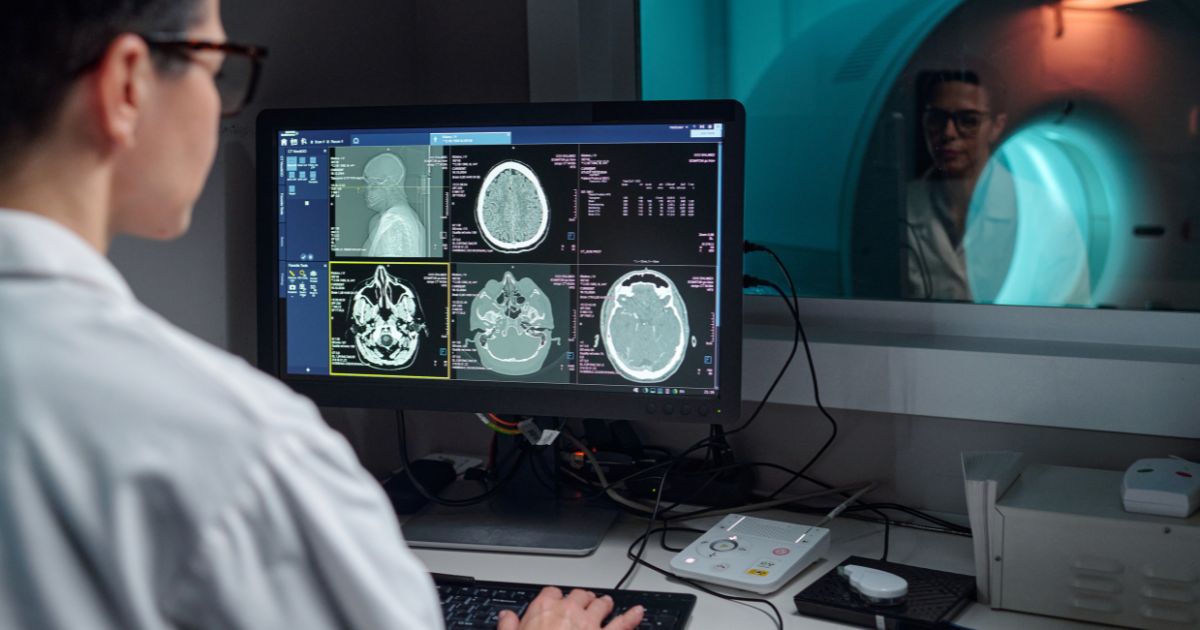
Magnetic resonance imaging uses strong magnets and radio waves to create detailed pictures of organs, tissues, joints, and other structures inside the body. It is often used to evaluate the brain, spine, muscles, ligaments, and internal organs, especially when soft tissue detail is needed.
MRI technology supports better clinical decisions by helping physicians confirm diagnoses, rule out serious conditions, and plan the next step in care. For patients, those results can provide clarity during a time of pain, symptoms, or uncertainty.
The Technician’s Role in Patient Comfort
MRI technicians help prepare patients before the scan begins. They may explain what the patient can expect, address safety concerns, position the patient correctly, and provide instructions for remaining still during the exam. These steps matter because patient movement can affect image quality and may require parts of the scan to be repeated.
For some patients, the MRI environment can feel uncomfortable. The machine may be loud, the space may feel cramped, and the exam may take a long time. A calm explanation from the technician can make the experience easier. Simple details, such as explaining the sounds, checking in between scan sequences, or offering support tools when available, can help patients feel more in control.
Safety and Precision in Every Scan
MRI safety is a major part of patient-centered imaging. Because the machine uses a powerful magnet, technicians must carefully screen for metal implants, devices, jewelry or other objects that may pose a risk. This process protects patients and staff while helping the scan proceed safely.
Precision also matters. Proper positioning helps clearly capture the area of concern. Technicians must follow imaging protocols while also adapting to the patient’s condition, mobility, and comfort level. This balance requires technical knowledge, patience, and steady communication throughout the appointment.
Supporting Better Care Through Imaging
MRI technology supports diagnosis, but the quality of the experience depends on the people guiding the process. Patient-centered imaging brings together accurate scans, safety practices, and respectful communication. It helps patients understand why the exam matters and what they can do to help make the imaging successful.
As diagnostic imaging continues to advance, the MRI technicians’ role remains central to the patient experience. Kasey McKillip points out how technical skill and patient awareness can work together in modern imaging, helping patients move through the process with greater confidence and helping care teams receive the information they need.

Leave a Reply